Do this first
Close the main shut-off
If water is escaping, shut off the main and then call.
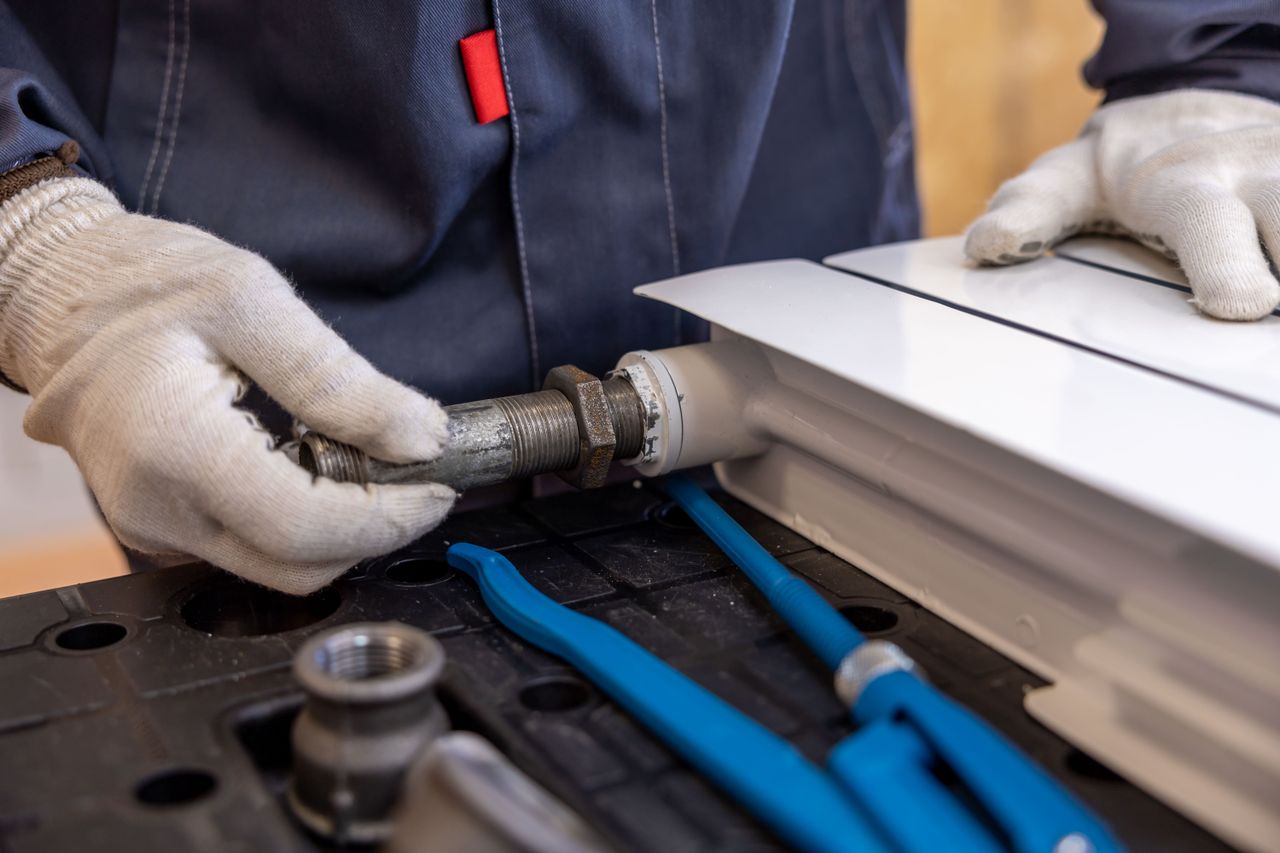
Repiping help for Woodstock homes
Leaks that keep coming back, rusty water or weak pressure? Call and describe what you see. A local technician then explains the repiping options for your Woodstock home.
Serving 30188, 30189
Four things stay the same on every call, wherever you are in Woodstock.
A person answers day or night.
Where available, a technician can be sent the same day.
The technician walks through the options and the plan before any work begins.
If a spot repair is the sensible answer instead of a repipe, you will hear that.
If two or three of these describe your house, a conversation about repiping may be worth having.
Finding the main shut-off is the only plumbing knowledge these steps need.
Do this first
If water is escaping, shut off the main and then call.
Under sinks, at the water heater, in the garage, basement or attic access. Clear photos help the technician picture the system.
Do not patch it with tape or clamps behind a finished wall.
Move valuables away from any active leak and put down towels or a bucket.
Which fixtures have low pressure or discolored water.
There is no form to fill in and no email to wait on. The phone is the whole process.
Day or night. A person answers and asks what you are seeing.
Age of the home, pipe type if you know it, where the symptoms show up.
A local technician who knows Woodstock homes, same day where available.
The technician explains them in plain language before any work begins.


Woodstock has three districts of housing stock, and the age of a home is a useful first clue to what runs behind its walls.
Around the historic downtown and the 1879 depot area, older houses sit next to new townhome construction. Older houses can still have galvanized steel in places, while the newest builds tend to use PEX.
Towne Lake, in 30189, is a master-planned area of roughly 5,700 homes built from the late 1980s into the 1990s. Homes from those years may have polybutylene or copper, and a technician can identify which. Communities like Eagle Watch and Wyngate sit in that window, and basements are common there.
East of downtown in 30188, Bradshaw Farm and Deer Run were built over the following years, so a mix of late polybutylene, copper, CPVC and PEX is possible.
Summers are hot and humid, red clay soil is the norm, and a hard freeze turns up now and then. That is one more reason to know where your lines run, especially in garages, crawlspaces and outside walls.
These are general tendencies, not a diagnosis. Renovations muddy the picture, and only a look at the actual pipes settles it.
Older homes
Dull gray and threaded. It can narrow and rust from the inside over time.
Mid-century onward
A long-standing choice. Older systems can start to pinhole.
Late 1970s to mid-1990s
Gray, blue or black plastic, often stamped PB. Many owners choose to replace it.
Newer homes
Flexible, red, blue or white, with fewer joints in the walls.
Each page explains one job the way a technician would: what it is, why owners choose it and how the work is routed through a house.
When leaks, rust and weak flow show up all over the house, replacing the whole supply system can make more sense than chasing one repair after another.
Flexible plastic pipe with fewer joints is a common choice for repipes. See where it runs and where it is not the ideal fit.
A long-standing choice with its own trade-offs. See when owners pick copper and how fittings are soldered or pressed.
Gray, blue or black plastic supply pipe from the late 1970s to the mid-1990s. Learn how to spot it and what replacing it involves.
Older steel supply pipe can narrow and rust from the inside. Understand low pressure, brown water and your replacement options.
One leak is a repair; a pattern of leaks is a question. See what a technician checks and how to weigh a spot repair against a repipe.
Repipe a single bathroom, replace only the hot side, or reroute lines out from under a slab. See when a partial job makes sense.
We are a connector. You call one number and we put you in touch with an experienced local repiping technician.
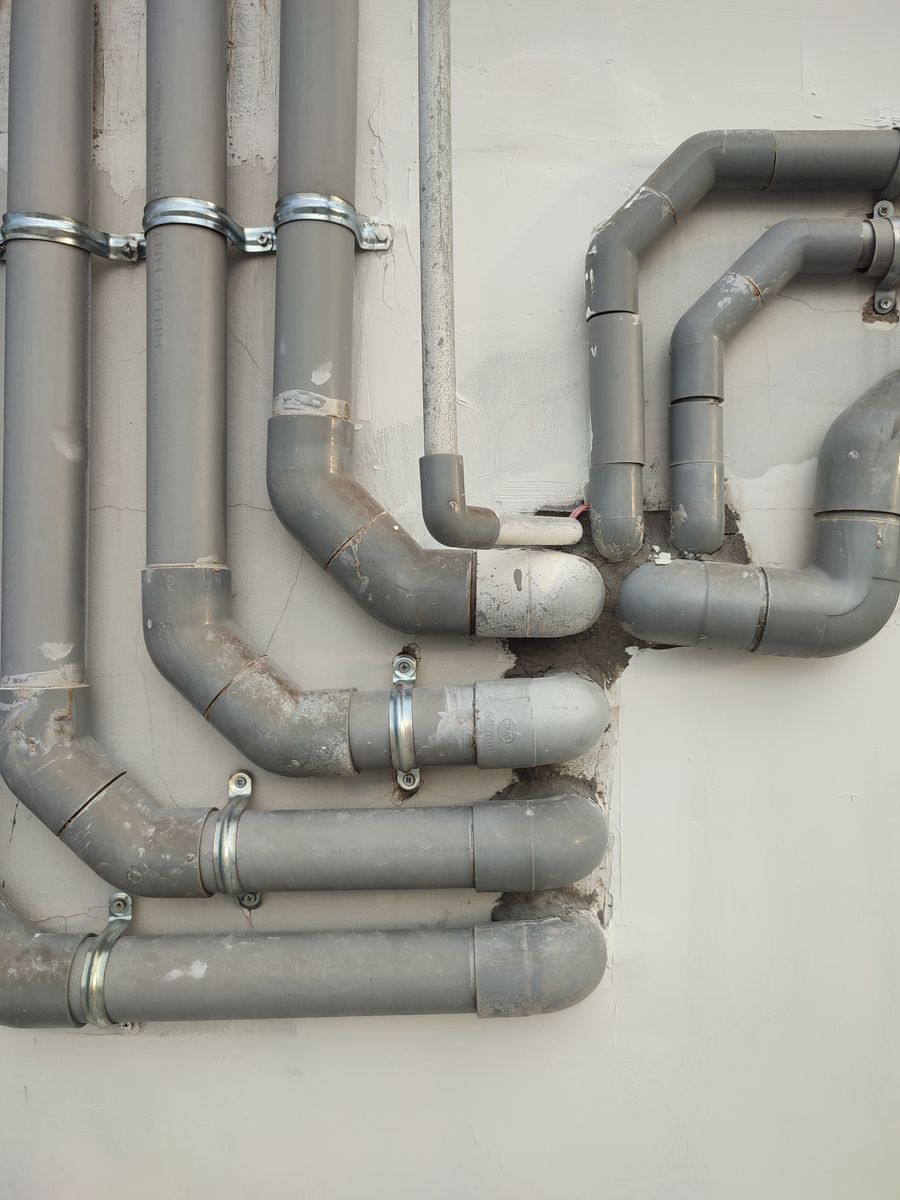
A person picks up at any hour, including nights and weekends.
Where available, a technician can be sent when water is actively escaping.
The technician walks you through the choices and the plan before anyone starts work.
If a repair is the better call than a repipe, the technician will say so.
Any workmanship guarantee comes from the contractor, who explains what it covers.
The technicians we dispatch are familiar with the subdivisions and housing eras described here.
Pick the part of town closest to you. Each page covers the homes, the likely pipe story and what a call looks like there.
Downtown
Older houses beside fresh construction, where pipe materials can differ from one address to the next.
Towne Lake
Homes from those years may have polybutylene or copper, and a technician can identify which. Golf communities and basements are common.
East Woodstock
Later builds with a mix of materials, from Bradshaw Farm to the large amenity community at Deer Run.
One leak can be a repair. What matters is the pattern. If it is the second or third leak in different places, or the water also looks rusty, or the pressure is dropping, the system itself may be wearing out. Describe the history on the call, including where each leak showed up, and the technician can help you work out which side of that line your house sits on.
Nothing is scheduled until you have heard the plan and agreed to it. A call is simply how every job starts, and you are under no obligation afterward. Plenty of people call just to understand what their pipes are probably made of and whether a repipe is even the right question for their house, and that is a perfectly good reason to call.
Because they were built in different years. Towne Lake grew from the late 1980s through the 1990s, when polybutylene was in common use and copper was the other usual choice. East Woodstock communities like Bradshaw Farm came later, with a wider mix of materials. Every house is different, so the technician confirms what is actually there. If you are unsure which part of town your street falls into, the dispatcher can sort that out at the start of the call.
Look where pipes are already exposed: under sinks, near the water heater, in a garage, basement or attic access. Copper is a metallic orange-brown, galvanized steel is dull gray and threaded, and polybutylene is flexible gray, blue or black plastic often stamped PB. PEX is bendy and red, blue or white. Describe what you see on the call; photos help but are not required.
Insurers may ask about pipe type, and so may buyers during a sale. Ask your insurer or your agent directly, because they can tell you what applies to your own policy. The technician can tell you what is actually in the house and what replacing it would involve, so you have the facts ready for that conversation instead of guessing.
A repipe does involve some disruption, because new lines have to be routed through the house. Many homes take a few days, and the technician will give you the actual plan for yours. Before work starts, the technician explains the schedule and what happens to walls, so you know what to expect in each room and can ask about anything that worries you.
No. This service covers only the water supply piping inside the home. Sewer and drain lines and water heater replacement are different work with their own specialists. If you are wondering about the underground line from the street, mention it on the call and the technician can point you in the right direction. The focus here stays on the supply side of the plumbing.
Independent local plumbing professionals. We are a referral service: we take the call, ask the right questions and connect you with a technician who handles repiping in Woodstock homes. That technician runs a separate business and explains the options and the plan before any work begins. Details are on the disclosure page, including that we may be compensated for connecting calls.

Tell the dispatcher about the house and what the water has been doing. If a local technician makes sense, one is lined up and explains the options and the plan before any work begins.
Serving Woodstock, GA: ZIP codes 30188 and 30189